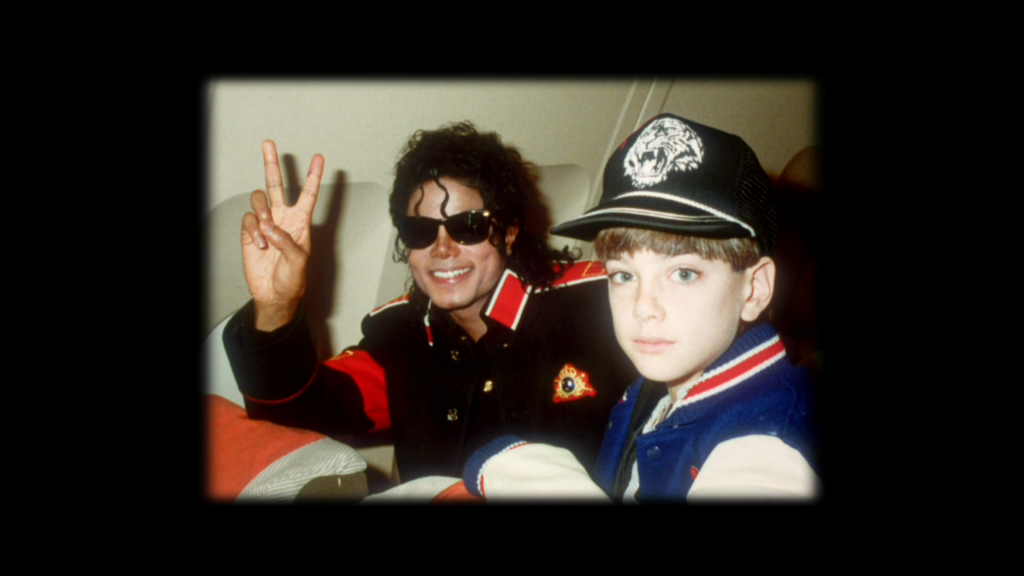
Leaving Neverland was released almost ten years after the demise of celebrity pop singer Michael Jackson (1958-2009). In its four-hour course, Wade Robson (1982) and James Safechuck (1978) speak extensively about their childhood years, in which they claim to have been sexually abused by Jackson. Directed and produced by the British filmmaker Dan Reed (Children of the Tsunami, 3 Days of Terror: The Charlie Hebdo Attacks), and co-produced by Channel 4 (UK) and HBO (USA), the documentary film gained tremendous attention from media and audiences worldwide, especially after tailor-made versions were broadcast on television in several countries.
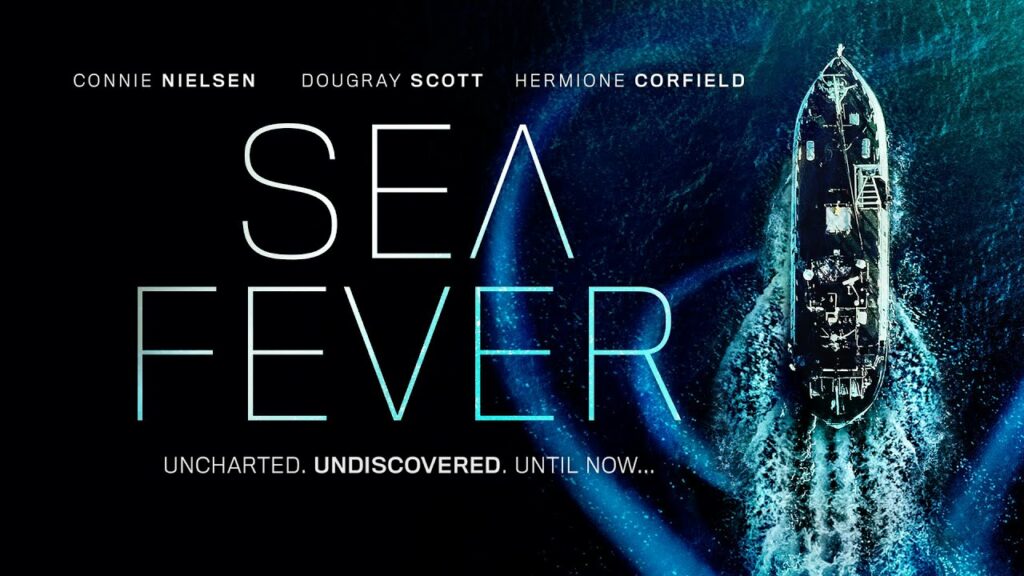
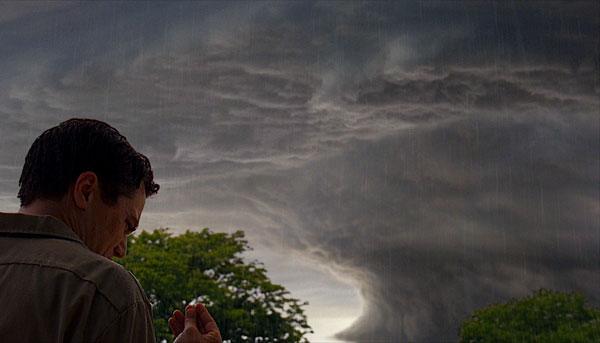
Onlangs kondigde ik aan mijn printartikel over de film Take Shelter (2011) te zullen delen zodra het online stond. Dat is inmiddels gebeurd, en het leuke is dat u bij interesse ook de artikelen van mijn collega-schrijvers kunt lezen. Een en ander is gebundeld in de pdf ”Filmkrant Lab: Het Onbekende”, die hier te vinden is (klik hier voor het bijbehorende nieuwsbericht). Als mijn eigen stuk, getiteld ”Angstig uitzien naar het Onbekende: de onheilsprofetie van Take Shelter”, ook los online staat, voeg ik hier nog een extra hyperlink in.
Senna is a 2010 documentary film, directed by Asif Kapadia, that portrays the public and personal life and the tragic death of Formula 1-racer Ayrton Senna (1960-1994). Despite receiving general critical acclaim of journalists worldwide[1], Formula 1-racer Alain Prost (1955), former team member and eventual life-long rival of Senna, explicitly renounced the way in which he was represented in the film. This paper discusses Prost’s major arguments for this renunciation in the light of the two existing versions of the film and their differences in terms of content and montage. I argue that the award-winning[2] montage of the regular, theatrical cut establishes a paradoxical relation between the film’s purportedly independent quality as an artwork and the external objections of its accuser: while the film’s critical acclaim is partly the result of the refined montage, the montage is also precisely what has made the film controversial.
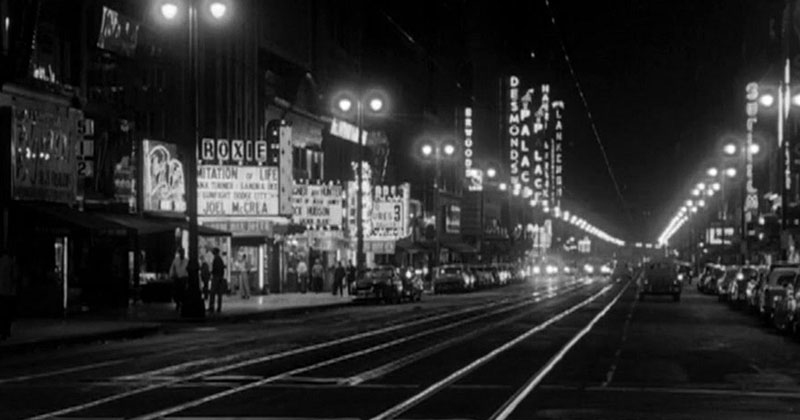
Op 11 Maart werd in EYE de film Los Angeles Plays Itself (2003) vertoond in het kader van de themareeks This is Film! Heritage in Practice. De lezing van de dag ging over het thema ‘copyright’. In mijn verslag voor indebioscoop ga ik uitgebreid in op de film en het thema.
De afgelopen maanden was ik één van de deelnemers van het Filmkrant Lab, georganiseerd door de Filmkrant om jonge journalisten te stimuleren in hun freelance werk en in het (verder) ontwikkelen van een kritische kijk op film. Uiteindelijk maakten we met ongeveer acht deelnemers een eigen magazine, dat gepubliceerd is als bijlage bij Filmkrant #429. De Filmkrant is deze maand nog fysiek op te pikken in een groot deel van de Nederlandse filmtheaters.
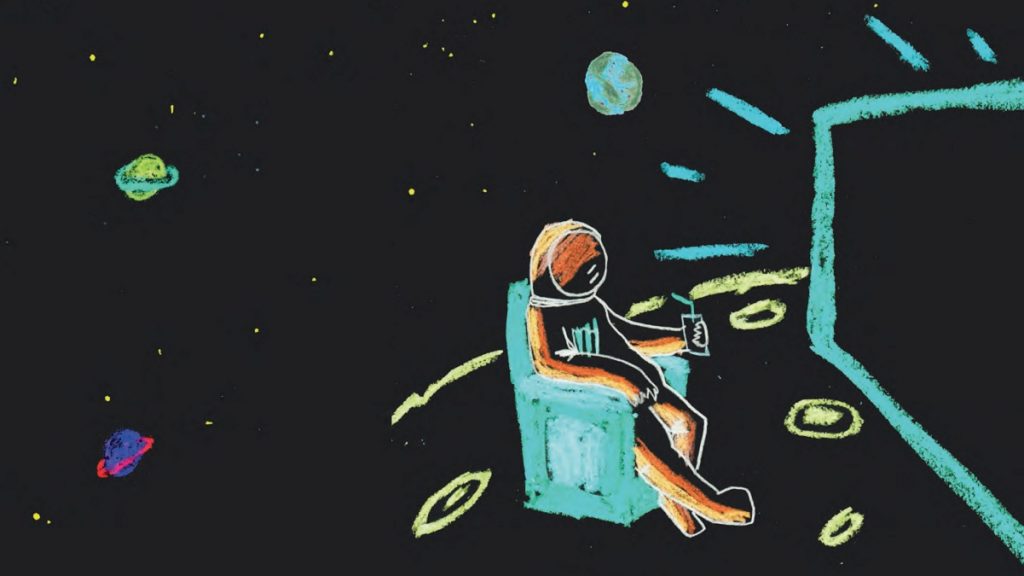
In Filmmagie 703 (Maart 2020) blik ik terug op een viertal titels uit de Tigercompetitie van het IFFR 2020. Onderwerp van reflectie is een enkel filmbeeld (‘het brandende huis’), en de manier waarop dit beeld ingezet werd in de besproken films.
Dit nummer is door het verdwijnen van filmmagie helaas niet meer los te bestellen.Indien u geïnteresseerd bent, kunt u de inhoud persoonlijk bij mij opvragen.
Vorig jaar verscheen mijn IFFR-reflectie in Filmmagie 693.
Voor indebioscoop schreef ik een essay over de plaats die religie inneemt in Andrej Tarkovski’s visie op de filmkunst. Het oeuvre van de Russische cineast is nu te bewonderen in EYE Amsterdam, waar ook een tentoonstelling over datzelfde oeuvre loopt. Over de tentoonstelling werd onlangs dit stuk gepubliceerd.
”De kunst die uit het scheppen van de kunstenaar voortkomt kan alleen geaccepteerd worden als de toeschouwer het beeld en zijn waarheid gelooft, en de kunstenaar daarin onvoorwaardelijk vertrouwt. Tarkovski legt zo een belangrijke verantwoordelijkheid bij de toeschouwer: als hij de waarheid niet zoekt, blijft ook het schone voor hem verborgen.”
In the first semester of 2018/19 I wrote an extensive paper on the academic study of religion and film. A condensed outline of my argument was presented at a student conference of the UvA and the UU in January 2019. I publish the full paper right here.
Het allereerste shot van Anna’s War vertelt een verhaal op zichzelf. Het toont waar het in deze film uiteindelijk om gaat: de rauwe dialoog tussen dood en overlevingsdrang. Deze confronterende long take, een trage reis van de camera, markeert een omgeving die we eigenlijk niet willen zien, een waarheid die we niet kunnen kennen.
Een tijdje terug schreef ik een nieuwe Prisma (een beknopte reflectie op een filmmoment) voor Filmmagie & Sabzian. Deze opvolger van mijn eerdere Prisma over Godard’s Le Mépris is hier terug te vinden.
This website uses cookies to improve your experience while you navigate through the website. Out of these, the cookies that are categorized as necessary are stored on your browser as they are essential for the working of basic functionalities of the website. We also use third-party cookies that help us analyze and understand how you use this website. These cookies will be stored in your browser only with your consent. You also have the option to opt-out of these cookies. But opting out of some of these cookies may affect your browsing experience.
Necessary cookies are absolutely essential for the website to function properly. This category only includes cookies that ensures basic functionalities and security features of the website. These cookies do not store any personal information.
Any cookies that may not be particularly necessary for the website to function and is used specifically to collect user personal data via analytics, ads, other embedded contents are termed as non-necessary cookies. It is mandatory to procure user consent prior to running these cookies on your website.